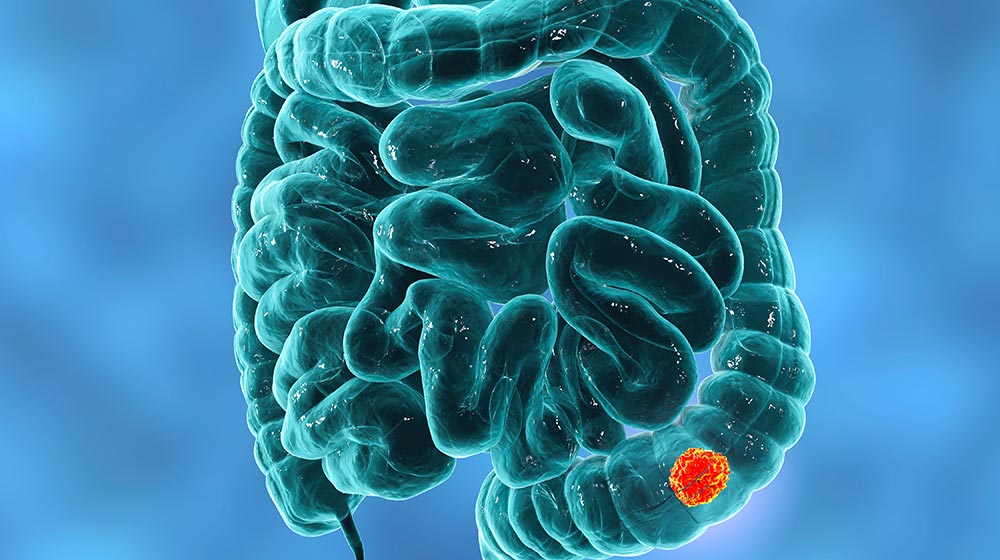
Where Do Colorectal Cancers Come From / The Stages Of Colorectal Cancer Stock Vector - Image: 47786143 - It usually begins as small, noncancerous (benign) clumps of cells called polyps that form on the inside of the colon.
Dapatkan link
Facebook
X
Pinterest
Email
Aplikasi Lainnya
Where Do Colorectal Cancers Come From / The Stages Of Colorectal Cancer Stock Vector - Image: 47786143 - It usually begins as small, noncancerous (benign) clumps of cells called polyps that form on the inside of the colon.. Most cases of colon cancer originate from noncancerous tumors called adenomatous polyps. The descending colon and sigmoid colon make up the lower, or distal, colon. All i am saying is this: Colon cancer symptoms come in two general varieties: Screening finds precancerous growths on the colon wall, called polyps, which the doctor can then remove.
The colon is the final part of the digestive tract. In this stage, colon cancers have not grown beyond the inner lining of the colon. Colon cancer is currently the fourth most common cancer diagnosed in the united states. The cecum, ascending colon, and transverse colon make up the upper, or proximal, colon; The descending colon and sigmoid colon make up the lower, or distal, colon.
Colorectal Cancer Studies Reveal Early-Detection ... from blog.trudiagnostic.com Colon cancer is currently the fourth most common cancer diagnosed in the united states. Treatment for colon cancer is based largely on the extent of cancer: Some cases of colorectal cancer come from a strong genetic predisposition—there are several mutations and syndromes that put you at a much higher risk than the general population. These include lymphoma, carcinoid tumors, melanoma, and sarcomas. Cancerous cells may spread from malignant tumors to. Cancers that affect either of these organs may be called colorectal cancer. It usually begins as small, noncancerous (benign) clumps of cells called polyps that form on the inside of the colon. Colon and rectal cancers do not usually produce symptoms in the early stages of disease.
Colon cancer is a type of cancer that begins in the large intestine (colon).
Most colorectal cancers begin as a growth, or lesion, in the tissue that lines the inner surface of the colon or rectum. The cecum, ascending colon, and transverse colon make up the upper, or proximal, colon; Colon and rectal cancers do not usually produce symptoms in the early stages of disease. Screening finds precancerous growths on the colon wall, called polyps, which the doctor can then remove. Colon cancer typically affects older adults, though it can happen at any age. It's the third leading cause of cancer deaths among american men and women. The descending colon and sigmoid colon make up the lower, or distal, colon. Treatment for colon cancer is based largely on the extent of cancer: It is not predictable by tumor type, treatment, or stage of illness. In this stage, colon cancers have not grown beyond the inner lining of the colon. Though not true in all cases, the majority of colorectal cancers generally develop over time from adenomatous (precancerous) polyps. In no way am i denying or obscuring the tragic aspects of colon cancer. The presence of blood in the urine is usually a sign of bladder cancer, not colon cancer.
Screening finds precancerous growths on the colon wall, called polyps, which the doctor can then remove. If your loved one is dying from colon cancer, they most likely have diffuse metastases —or the spread of cancer outside of their colon to other organs and lymph nodes, as well as tumors in and around their colon. Rectal cancer that grows or spreads in the pelvic area is especially dangerous because of the important organs located nearby. For cancers of the ovary. If the cea level goes up again, it might be a sign that the cancer has come back, and colonoscopy or imaging tests might be done to try to find the site of recurrence.
Crimson Meat Consumption Linked to DNA Injury-associated ... from camcancerhub.com Colorectal cancer defined colorectal cancer starts either in your colon or your rectum, both of which are parts of the large intestine. Though millions of americans do not have medical insurance and don't want to pay out of pocket for the procedure, many more who are insured are just plain afraid of it. These form on the inner walls of the large intestine. All i am saying is this: It is not predictable by tumor type, treatment, or stage of illness. If you suspect having or have been diagnosed with colon cancer but observe blood in your urine, this might be a sign of further complications not related to your colon. It's the third leading cause of cancer deaths among american men and women. Colon cancer symptoms come in two general varieties:
Colon cancer symptoms come in two general varieties:
Colon cancer is a type of cancer that begins in the large intestine (colon). One of the most feared symptoms of death is pain. Though not true in all cases, the majority of colorectal cancers generally develop over time from adenomatous (precancerous) polyps. Persistent cramps or low back pain, cramping pain in the lower stomach. Colon cancer is currently the fourth most common cancer diagnosed in the united states. In no way am i denying or obscuring the tragic aspects of colon cancer. If the cancer does recur, it's usually in the first 2 to 3 years after surgery, but it can also recur much later. Sengupta mentioned, it typically takes years, barring lynch syndrome. In most cases, this can be done by removing the polyp or taking out the area with cancer through colonoscopy (local excision through a diagnostic tube). If you suspect having or have been diagnosed with colon cancer but observe blood in your urine, this might be a sign of further complications not related to your colon. Colon and rectal cancers do not usually produce symptoms in the early stages of disease. Surgery is performed to take out the tumor only. It usually begins as small, noncancerous (benign) clumps of cells called polyps that form on the inside of the colon.
The descending colon and sigmoid colon make up the lower, or distal, colon. Rectal cancer has about a 20 percent risk of local recurrence, versus about 2 percent with colon cancer. If the cancer does recur, it's usually in the first 2 to 3 years after surgery, but it can also recur much later. Screening finds precancerous growths on the colon wall, called polyps, which the doctor can then remove. Polyps (growths) can change after a series of mutations (abnormalities) arise in their cellular dna.
Colorectal Cancer - YouTube from i.ytimg.com Rectal cancer that grows or spreads in the pelvic area is especially dangerous because of the important organs located nearby. As well as in north carolina. If you suspect having or have been diagnosed with colon cancer but observe blood in your urine, this might be a sign of further complications not related to your colon. Colon cancer is a type of cancer that begins in the large intestine (colon). Though not true in all cases, the majority of colorectal cancers generally develop over time from adenomatous (precancerous) polyps. Colon cancer symptoms come in two general varieties: The colon is the final part of the digestive tract. These form on the inner walls of the large intestine.
As the tumor grows, symptoms will depend on the location of the primary tumor within the intestine.
The cecum, ascending colon, and transverse colon make up the upper, or proximal, colon; The colon is the final part of the digestive tract. Pain is anticipated, and opioid narcotics, or very strong pain medicines. For cancers of the ovary. Though millions of americans do not have medical insurance and don't want to pay out of pocket for the procedure, many more who are insured are just plain afraid of it. If you suspect having or have been diagnosed with colon cancer but observe blood in your urine, this might be a sign of further complications not related to your colon. Rectal cancer that grows or spreads in the pelvic area is especially dangerous because of the important organs located nearby. According to the centers for disease control and prevention (cdc), colorectal cancer (crc) is the #2 cancer killer in the u.s. As the tumor grows, symptoms will depend on the location of the primary tumor within the intestine. The presence of blood in the urine is usually a sign of bladder cancer, not colon cancer. Change in bowel habits or blood in the toilet after having a bowel movement. It is not predictable by tumor type, treatment, or stage of illness. Patients with colon cancer or rectal cancer may experience one or multiple symptoms.
How To Make Invitation Cards For Birthday / Free Birthday Party Invitation Card Online Invitations In Hindi / How to host the best virtual party. . We make it easy for you to keep tabs on. Customize free birthday invitation templates and hype up the excitement for your day. Child birthday party invitations cards wishes greeting card birthday. Finding a decent type of. I want to show you how to use scrapbook paper, photos, stamps and other simple supplies to make sweet and personal birthday party invitations for your little. You can scroll through to see each party invitation available. Don't stress over whether or not your kids passed out the invites to their classmates at school. Our birthday invitation maker lets you celebrate in style by customizing invitation templates with click preview to make sure your invitation looks perfect. How can i make a birthday party invitations online for free. Make a birthday card online ⏩ crello make your friends and family fee...
Signs Of Thyroid Cancer In Males / Hyperthyroidism Overactive Thyroid Symptoms And Causes - Thyroid cancer symptoms in men the thyroid cancer clinic is similar in men and women. . Goiter is one of the thyroid problems in men characterized by a large swelling underneath the adam's apple. Also, if your face is turning red and you have frequent loose bowel movements, these may be signs of something called medullary thyroid cancer. Thyroid cancer typically doesn't cause any signs or symptoms early in the disease. Delayed ejaculation (more common in hypothyroidism) premature ejaculation (more common in hyperthyroidism) problems with sperm. Hypothyroidism (underactive thyroid) is a condition in which your thyroid gland doesn't produce enough of certain crucial hormones. Luckily, it is a treatable disorder for both men and women. A lump (nodule) that can be felt through the skin on your neck changes to your voice, including increasing hoarseness The thyroid im...
Is Ovarian Cancer More Likely After Menopause - What Are The Symptoms And Signs Of Ovarian Cancer Ctca - Menopause doesn't cause ovarian cancer. . Females who are old enough to bear children are far more likely to experience a cyst than women who have been through menopause. Its outlook is likely to be similar to widespread ovarian cancer. That could be because you've had more ovulations. Many cases of ovarian cancer are found after the cancer has spread to other organs. It results in abnormal cells that have the ability to invade or spread to other parts of the body. The ability of fsh and lh to modulate. Malignant ovarian lesions include primary lesions arising from normal structures within the ovary and secondary lesions from cancers arising elsewhere in the body. That could be because you've had more ovulations. Before menopause, ovarian cysts are very common; Women who are over 50 are more likely to develop ovarian cancer than younger women. ...


Komentar
Posting Komentar